
Sea the City: Scaling with intentional marketing in New York City
Sea the City proves that growth in a competitive market comes from data-backed decisions. What started as a three–jet ski operation in 2015 is now a two-market business fueled by strong direct bookings, intentional distribution with partners like GetYourGuide, and FareHarbor-powered tracking.
“Direct bookings are our foundation, but distribution helps us fill the gaps.”
Adam Schwartz
Owner
New York City doesn’t exactly suffer from a lack of things to do. For operators, that’s both the opportunity and the challenge. You’re selling in one of the most competitive tourism markets in the world, where every scroll reveals another “must-do” experience.
Sea the City breaks through by doing two things exceptionally well: delivering unforgettable moments on the water and running marketing like a business, not a gamble.
Founded in 2015 by lifelong New York boater Adam, Sea the City started small: three jet skis and one goal, to show guests just how accessible the city feels from the water.
From there, the business grew into two distinct experiences in two major markets, without losing the operational discipline that makes growth sustainable.
The business
Sea the City operates out of Liberty Landing Marina, with the New York skyline serving as a daily reminder that “office views” can be a competitive advantage.
They offer:
- Jet ski tours in New York City: High-energy, high-accomplishment
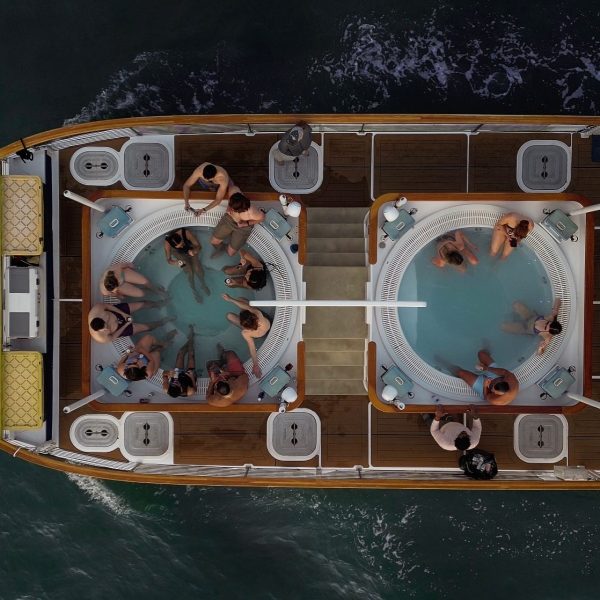
- Hot tub boat rentals in New York City and Washington, D.C.: Private, luxury-forward
Two products, two guest mindsets
Sea the City’s jet ski tours aren’t positioned as sightseeing. They’re showcased as a story guests get to tell.
Adam describes it as the difference between being on a tour bus and walking the streets. You’re not just viewing the city. You’re moving through it.
The hot tub boat flips the script. It’s slower, more indulgent, and built for celebrations. Date nights, birthdays, bachelorettes, and small groups that want privacy with a headline view.
Adam puts it simply: if you’re “in a hot tub at sunset looking at the Statue of Liberty,” you’re doing something right.
That contrast matters because it lets Sea the City balance demand across customer types, trip intents, and even seasons.
Marketing that feels authentic
Sea the City started marketing early and got more intentional as the business grew. By 2016, the team was active on Instagram, and by 2017, they were working with influencers and user-generated content to reach new audiences.
What sets their approach apart is how they structure those partnerships. Sea the City doesn’t pay influencers upfront.
“We don’t pay influencers. We say, here’s a promo code — use it. If someone books, you get a commission. Simple.”
Instead of discounts, influencers share value-added perks like free photos or complimentary towels. The offer stays aligned with the experience, not the price, helping protect margins.
Behind the scenes, FareHarbor Campaigns track each code, giving the team clear attribution into which partnerships actually drive bookings. The same philosophy applies to referrals.
“Don’t insert a system to it where you start giving referral codes and payments. The most important thing is someone refers a friend, and they say, ‘I’m so glad you sent me to Sea the City.’”
That authentic approach has helped Sea the City stand out, even earning a feature on Love Is Blind, while building a marketing engine rooted in trust, performance, and measurable results.
The “don’t skip this” foundation: Convert and measure first
Influencer content can be rocket fuel, but only if your business is built to capture the upside.
Adam’s perspective is one a lot of operators learn the hard way: if your website isn’t converting and your tracking isn’t clean, you can’t tell what’s working. Worse, you can’t scale what’s working.
Sea the City focuses on the basics first: a website built to convert, analytics that clearly show where bookings come from, and a habit of reviewing performance regularly.
It’s also why they lean heavily into FareHarbor’s reporting, campaigns, and affiliate tracking to run their marketing with confidence.
Scaling with tech, not just staff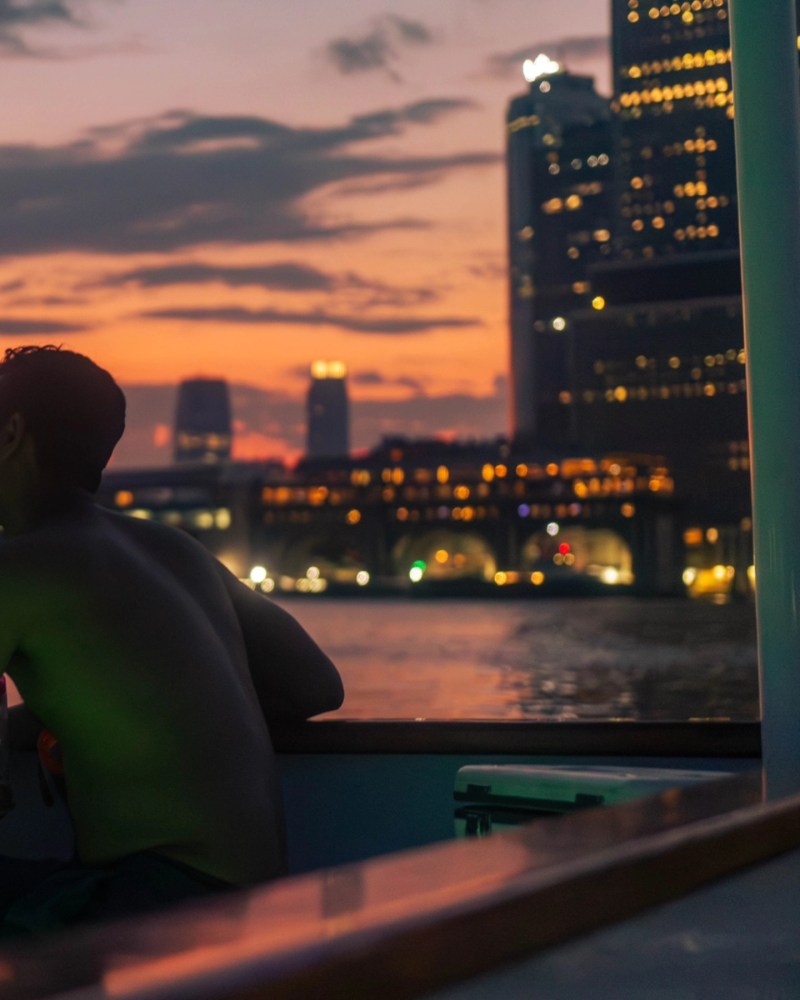
Sea the City has been on FareHarbor since 2016, with a brief stint on another system along the way. They returned because the day-to-day tools matched how they actually run the business.
Campaigns, affiliate tracking, and reporting give the team clear insight across channels, from influencer partnerships to distribution platforms like GetYourGuide. That visibility supports smarter growth decisions, including how Sea the City is expanding its international reach.
“We get very little international tourism to the boat… GetYourGuide will give us more of that exposure to European customers — and with that comes more weekday business.”
Just as important, the software has to work for the people using it. Sea the City relies on seasonal staff, so intuitive check-ins, rebookings, and customer flow matter. Faster training means smoother operations and less friction during peak months.
Pricing with purpose: Fewer discounts, more perceived value
Sea the City made a deliberate shift in 2025: reduce reliance on percent-off discounts.
Instead, they adjusted pricing slightly and emphasized value-add perks that cost less to deliver but feel high-value to the customer.
It’s a classic “high perceived value, low operational cost” move, and it supports reviews and word of mouth referrals without training customers to wait for discounts.
Distribution growth without diluting the brand
Sea the City’s brand is strong, and the numbers reflect it.
In 2025, 88% of bookings still came directly through their website, reinforcing that their core funnel is working. At the same time, their distribution strategy is becoming more intentional.
They’ve traditionally been very direct-heavy, with non-direct sales around 1.5%, now growing to 8%, largely driven by GetYourGuide.
That shift is strategic, not reactive. “Our hope is that the international distribution channel that’s opening up now… we want to see a 10x return from where we’re at now, in affiliate and referral bookings.”
They see GetYourGuide as a way to reach two segments that help smooth demand:
- International guests: Especially for the hot tub boat where international volume has lagged
- Weekday travelers: Particularly Europeans who stay in New York longer and can book outside peak weekend slots
They’re also approaching affiliates like an optimization channel, not a set-it-and-forget-it listing. Updating pages, refining content, testing what converts, and giving it time to mature.
Preparing for the 2026 World Cup: Plan early, serve better, win later
Sea the City is already looking ahead to the 2026 World Cup impact in the New York metro area. The fan zone is expected to run as a 39-day event in the nearby park, which creates a predictable surge in demand and discovery searches.
Their prep plan is a strong model for any operator facing a major event:
- Build a dedicated landing page early that is designed for search
- Hire bilingual guides (Spanish) to serve the expected increase in Latin American visitors
- Use content and blog strategy to capture “things to do” searches around the event
They’re not just counting on more tourists. They’re building the systems that help convert more of them.
What’s next
Sea the City’s story is proof that you don’t need to choose between brand and distribution, or between customer experience and marketing experimentation.
You can do both, as long as you track what’s working, protect your margins, and keep the experience strong enough that guests come back and bring friends with them.
If you want to build a channel mix like Sea the City, start with the basics: conversion, tracking, and a system for testing new ideas without losing the plot.
Ready to see how FareHarbor can help you track campaigns, grow distribution strategically, and keep your direct bookings strong? Request a demo.